The short answer
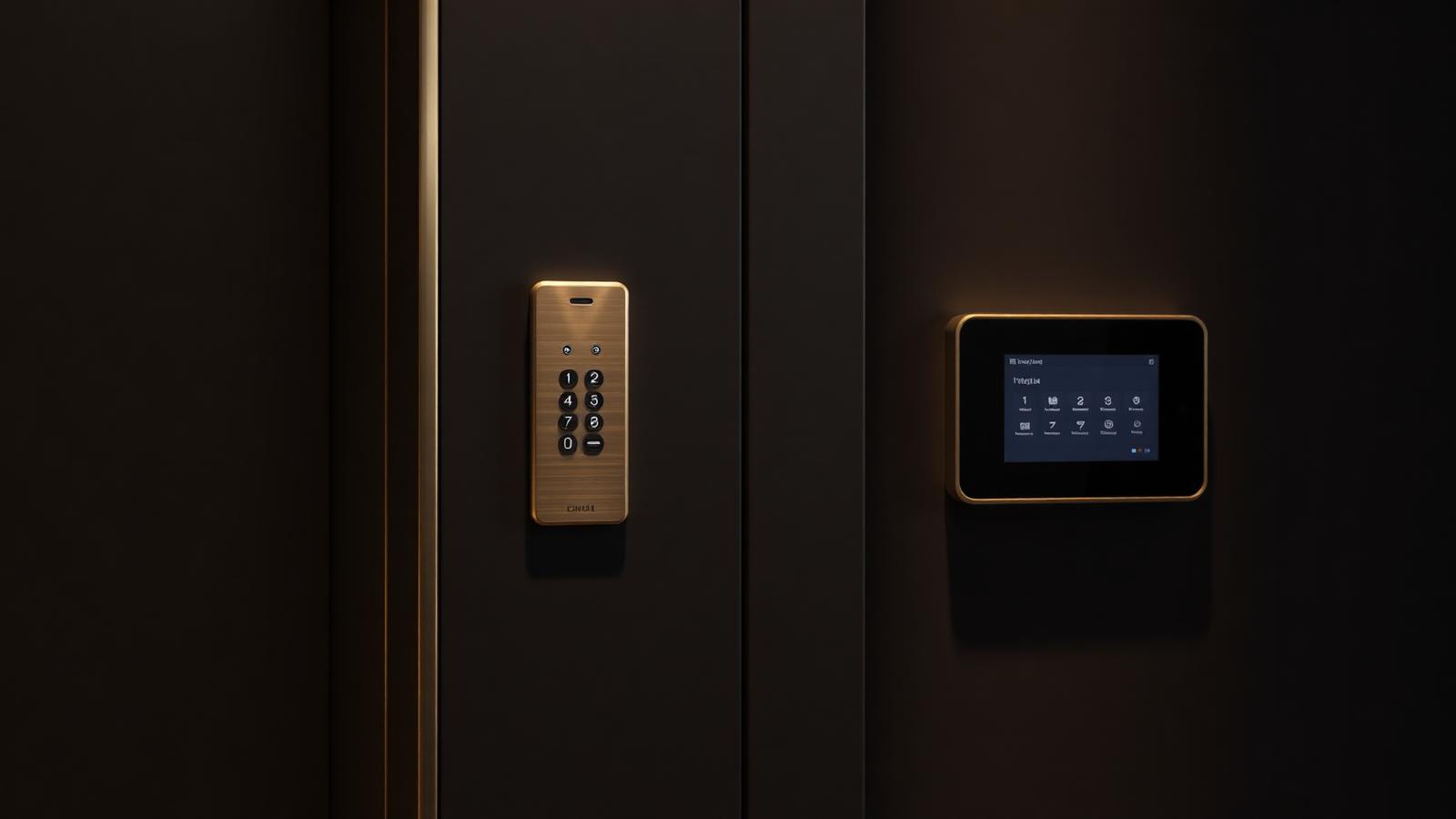
There is no single best home automation system in Australia. The right one depends on the size of the house and how many separate systems it has to bring together. For a large home with professional lighting, ducted or hydronic climate, several audio zones, cameras, intercom and blinds, a dealer-installed integration platform such as Control4, Crestron or Savant is usually the right engine. Control4 can run the lighting itself with its own keypads and dimmers, or sit over a dedicated lighting-control system such as C-Bus, Dynalite, KNX or DALI. For a smaller home with a few lights, a speaker and a doorbell, Apple Home, Google Home or Alexa is often enough.
Two layers that often get confused
Most comparisons put very different things side by side. Lighting-control systems such as C-Bus, Dynalite, KNX and DALI switch and dim the circuits in the house. Integration platforms such as Control4, Crestron and Savant sit above everything, lighting, climate, audio and video, security, gates and blinds, and present them as one house on keypads, touchscreens, an app and voice.
Many premium Sydney homes use both: a robust lighting system wired through the walls, and an integration platform that makes it work with everything else. Some platforms cover both layers: Control4 has its own lighting range of keypads, dimmers and switches, and Loxone supplies lighting control within its own ecosystem.
The integration platforms: Control4, Crestron and Savant
All three are sold and installed through authorised dealers, who design, program and support the system. The quality of that dealer decides more about how the house feels than the badge on the controller.
Control4, part of Snap One, which Resideo acquired in 2024, is built around drivers that integrate thousands of third-party products, so lighting, climate, AV, security and access from different manufacturers work together. It also makes its own lighting control, including keypads, dimmers, switches and hidden puck dimmers, so one system can run both the lighting and the rest of the house. It suits homes that mix brands chosen by different consultants. Its optional Connect subscription adds remote access, curated Routines and Apple Home and Siri integration; local control in the house does not depend on it.
Crestron is a long-standing name in large residences and commercial buildings, with residential projects run on its Crestron Home platform. Savant, based in Massachusetts, is known for its polished app and has expanded into lighting, after acquiring GE Lighting in 2020, and into home energy through Savant Power.
We set out how a Control4 system is designed and programmed on our Control4 Sydney page.
Loxone and KNX: the single-ecosystem and open-standard routes
Loxone, from Austria, runs the house from a central Miniserver and supplies much of its own hardware, from switches and sensors to shading and climate control, installed by partners in its Partner Program. It works best when most of the house is Loxone.
KNX is an open standard rather than a brand, supported by many manufacturers and adopted in Australia and New Zealand as a technical specification. It is a wired building bus that suits owners who want to avoid dependence on a single manufacturer, and it is common in European and commercial projects.
We compare the main dealer platforms head to head in Control4 vs Savant vs Loxone.
Australian lighting control: C-Bus and Dynalite
Two lighting platforms have deep roots here. C-Bus, now sold as SpaceLogic C-Bus by Clipsal, part of Schneider Electric, was launched in 1994 and developed in Adelaide. It is a cabled system with intelligence in every device, installed by Clipsal-trained approved installers. Dynalite, founded in 1987 in Australia and acquired by Philips in 2009, is now part of Signify and is widely used in high-end homes and commercial buildings.
DALI is an addressable lighting protocol in which each fitting can be set individually in software. If a home already has one of these, or the lighting designer specifies one, it can sit under Control4: drivers exist for both C-Bus and Dynalite, so existing lighting can usually be kept. Otherwise Control4's own lighting can do the job, with one system and one set of engraved keypads throughout the house.
How we choose and commission lighting control is covered on our lighting systems page.
When a DIY system is enough
Apple Home, Google Home and Alexa are good, inexpensive choices for apartments and smaller homes, and Matter is steadily improving how devices from different brands work together. Home Assistant, an open-source platform, offers deep local control for owners who enjoy maintaining it themselves.
The limit appears as the house grows. Professional lighting control, ducted air conditioning, AV distribution, intercoms, gates and alarm panels are not things a smart speaker reaches on its own, and a household with eight apps tends to stop using most of them.
The honest trade-offs
Dealer-installed platforms cost more and tie you to the dealer channel for programming. Some features carry ongoing subscriptions. Single-ecosystem systems are neat but narrow your future choices. DIY systems are cheap to start and expensive in your own time.
For transparency: HTI is a Control4 Diamond Dealer in Sydney, so Control4 is the platform we design with. We still recommend a simpler system when a home does not need one, and we take on systems installed by others, including houses with existing C-Bus or Dynalite lighting.
How to choose for your home
List what the house needs to control: lighting, climate, audio, video, security, intercom, gates, blinds and energy. Count the systems that would otherwise have their own app. Decide whether the house is a new build, where cabling choices are open, or an existing home, where retrofit options matter. Then judge the integrator on documentation, commissioning and support, not on brand.
The best home automation system is the one your household stops thinking about because the whole house simply works.
Our home automation page explains how we plan a whole-home system from design stage to support.
Common questions
Is Control4 better than Crestron or Savant?
All three are capable dealer-installed platforms. Control4 is strongest where a home mixes many brands, because of its large driver library; the bigger difference between installations is the design, programming and support of the dealer.
Which is better for lighting: C-Bus, Dynalite or KNX?
Each is a proven wired lighting-control platform. C-Bus and Dynalite are long established in Australia, and KNX is an open standard backed by many manufacturers; the right choice depends on the fittings, the electrician and the platform it will integrate with. In a home built around Control4, Control4's own lighting is often the simplest option.
Is Google Home or Apple Home enough instead of a professional system?
For a smaller home with a few lights, speakers and a doorbell, often yes. Once a home has professional lighting control, ducted air, several audio zones, security and blinds, a single integration platform is simpler to live with.
Can Control4 work with an existing C-Bus or Dynalite system?
Yes. Control4 drivers exist for both, so existing C-Bus or Dynalite lighting can usually be kept and controlled alongside climate, AV, security and blinds.