The short answer
Yes. Home automation lets a person with disability control lights, blinds, doors, the intercom, heating and cooling and entertainment by voice, a touchscreen, a phone or a single button, and it can make the house respond on its own, such as lighting the way to the bathroom at night.
The NDIS can fund it as assistive technology or as a home modification when it is reasonable and necessary for the participant's disability-related needs and the right evidence is supplied. Everyday devices such as phones and tablets are only funded in limited cases.
What home automation can do for someone with disability
The biggest gain is doing everyday things without help. A person who cannot reach a light switch, cross a room quickly or get to the front door can do all three from a bed, a chair or a wheelchair.
Typical examples: one button or voice command that sets the lights, blinds and temperature for the morning; low-level lighting that comes on as someone gets up at night; answering the front door from a touchscreen or phone and letting a carer in; motorised blinds that close against afternoon glare without anyone standing up.
Control4 brings these together in one system and works with Amazon Alexa and Google Assistant, so the same scene can be started by voice, a keypad, a touchscreen or the app.
Our lighting control systems page explains how keypads, scenes and sensors work together.
How the NDIS treats home automation
The NDIS separates assistive technology from home modifications. Assistive technology is equipment you buy and place in the home; a home modification changes the home itself, such as its structure or fixtures and fittings. Hardwired keypads, a powered door or new cabling are more likely to be assessed as a home modification.
Assistive technology is grouped by cost per item. Under $1,500 is low-cost. Between $1,500 and $15,000 is mid-cost and needs a written recommendation from an allied health practitioner or other assistive technology advisor. Over $15,000 is high-cost and needs an assessment report from a qualified assessor, such as an occupational therapist, plus a quote that includes delivery, installation and training.
Home modifications have their own process and can only be funded for a home the participant owns, or one whose owner agrees to the work.
Phones, tablets and other everyday devices
Everyday devices are treated differently from disability-specific equipment. Since 3 October 2024, NDIS support lists have set out what is and is not an NDIS support, and standard household items are generally not NDIS supports.
There is a replacement process. A participant can ask for a standard commercially available item where there is clear evidence the need relates to their impairment and the item increases their independence or reduces the need for a support worker or disability-specific equipment. Smart phones, tablets and smart watches can be considered where they meet communication and accessibility needs.
Any smart device used to track a person may be treated as a restrictive practice, so cameras and location features need care in a support setting.
Who can install it
That depends on how the plan is managed. If the plan is NDIA-managed, equipment has to be bought from a registered NDIS provider. If it is plan-managed or self-managed, the participant can buy from any supplier.
Start with the occupational therapist or assistive technology advisor, then bring in the installer. The assessor sets out what the person needs; the installer turns that into a written scope and an itemised quote the NDIS can assess.
As a Control4 dealer in Sydney, we quote every project as an itemised schedule, including installation and training, which is the detail an NDIS quote needs.
Design it around the person
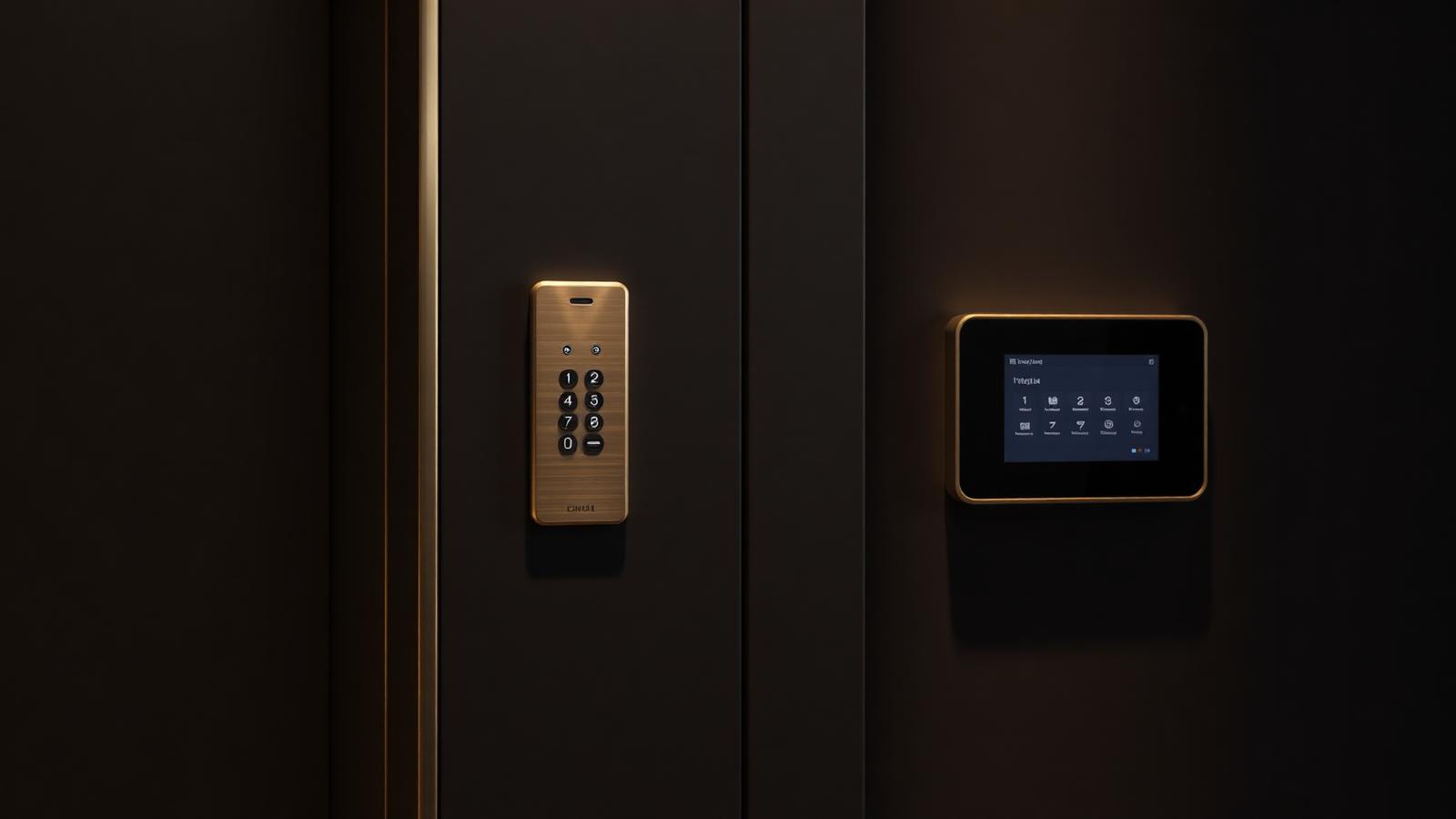
Mount keypads and touchscreens where the person can reach and read them, with large engraved buttons for the scenes they use most.
Give every voice command a physical fallback. Voice suits some people and not others, and some speech impairments make it unreliable.
Keep control local. A properly programmed Control4 system keeps running scenes, keypads and touchscreens without the internet, which matters when the house is part of someone's daily care.
Set up separate scenes and app access for the person and for each carer, and test every one with them at handover.
Blinds that close themselves save a trip to every window; see our motorised blinds page for how blinds join the rest of the system.
The trade-offs
Funding takes time and paperwork. Mid-cost and high-cost items need written evidence, and high-cost items need an assessment and a quote before anything is approved.
The NDIS funds what relates to the disability, not the whole house. A family planning a wider system should expect to fund the rest of the house themselves.
More technology means more to look after. Budget for support and updates so the system keeps working as phones, apps and the person's needs change.
Common questions
Does the NDIS pay for home automation?
It can, when it is reasonable and necessary for the participant's disability-related needs. Items under $1,500 are low-cost, items from $1,500 to $15,000 need written advice from an assistive technology advisor, and items over $15,000 need an assessment by a qualified assessor and a quote.
Will the NDIS fund a smart phone or tablet?
Standard household items are generally not NDIS supports. A replacement process allows them where there is clear evidence the need relates to the impairment, for example a tablet used for communication or accessibility.
Do I need a registered NDIS provider to install home automation?
Only if your plan is NDIA-managed. Plan-managed and self-managed participants can buy from any supplier.
Can the NDIS fund home automation in a rented home?
Home modifications can only be funded for a home the participant owns or where the owner agrees to the work. Assistive technology placed in the home is treated separately.